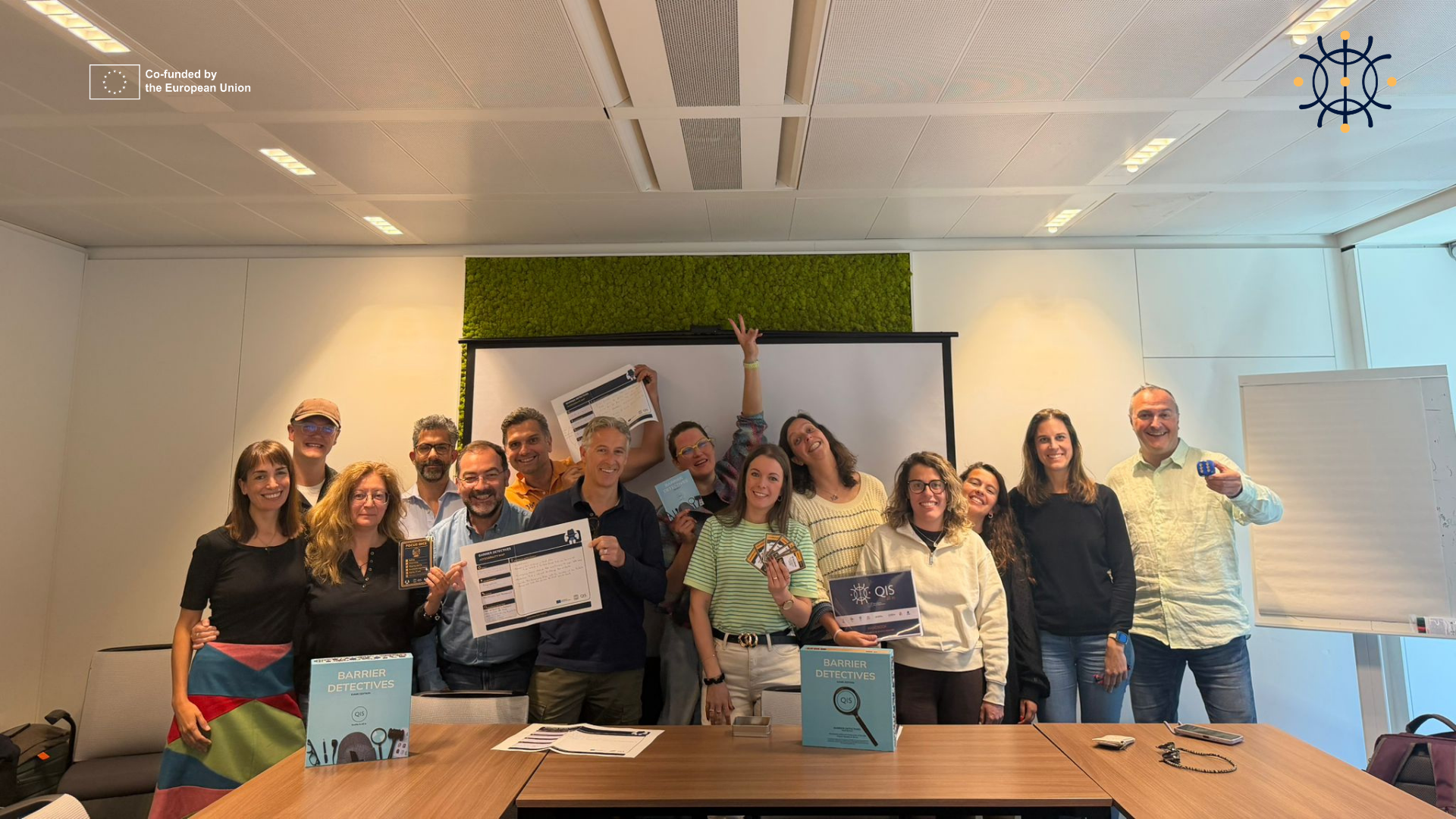
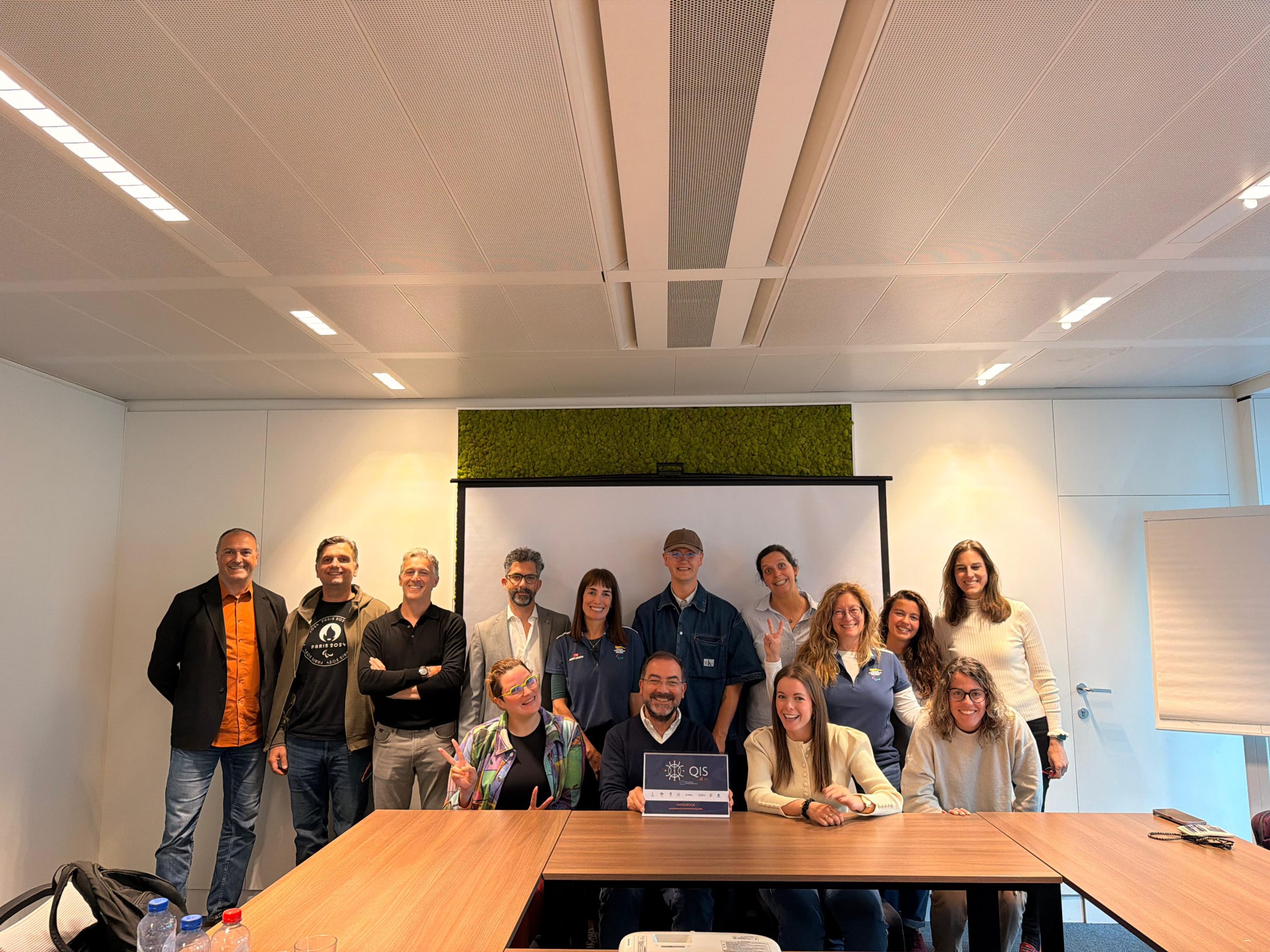
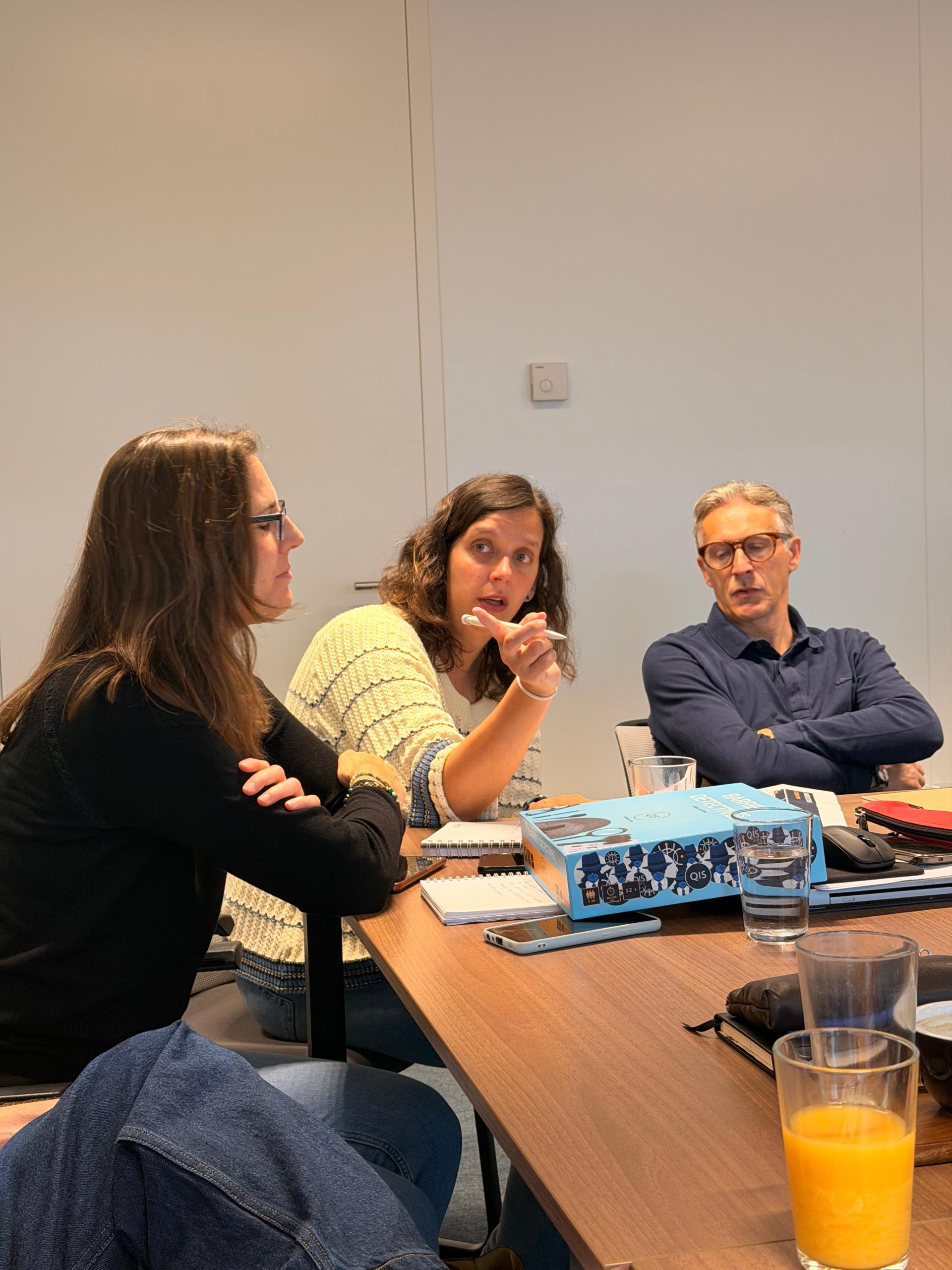
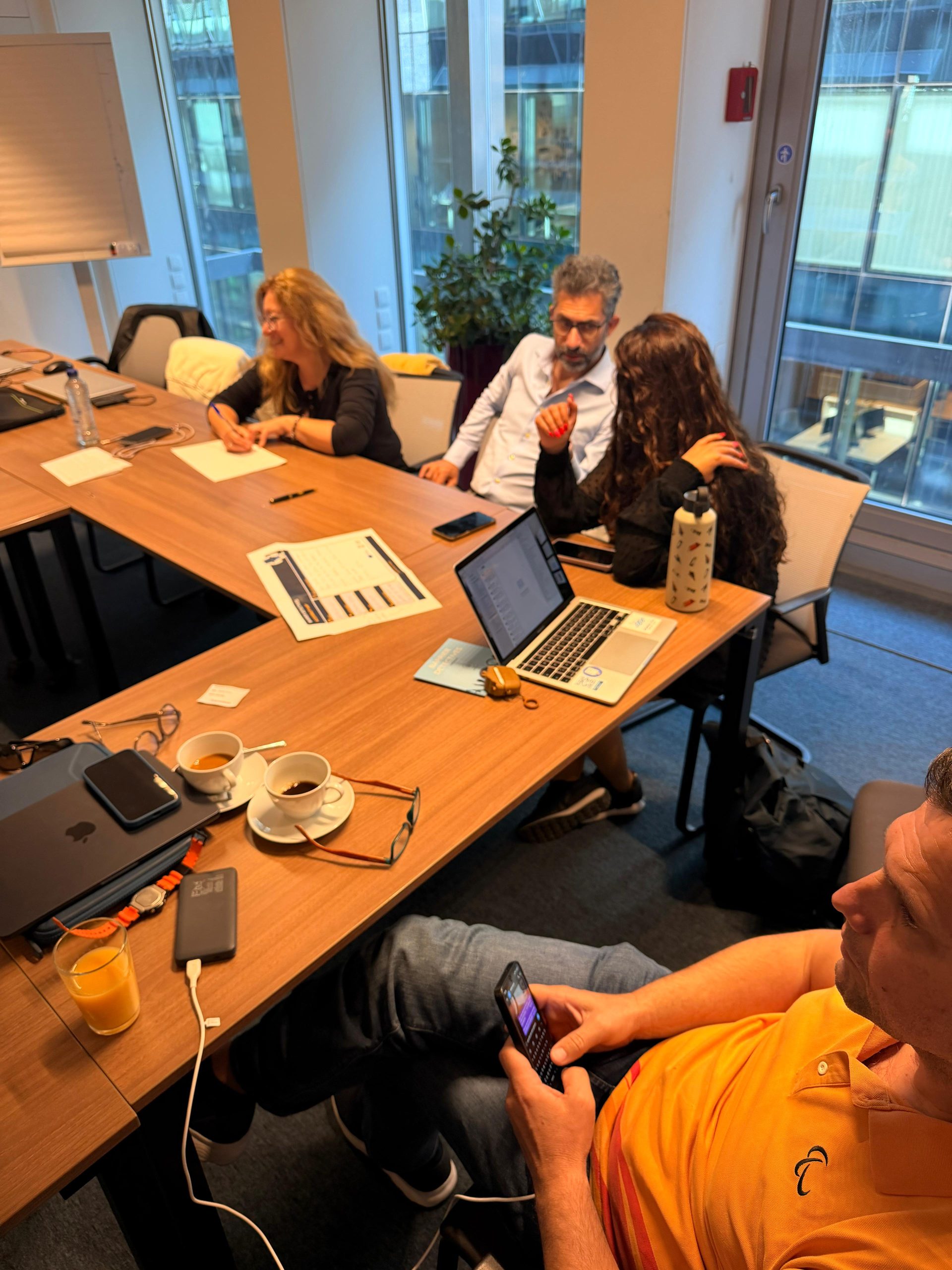
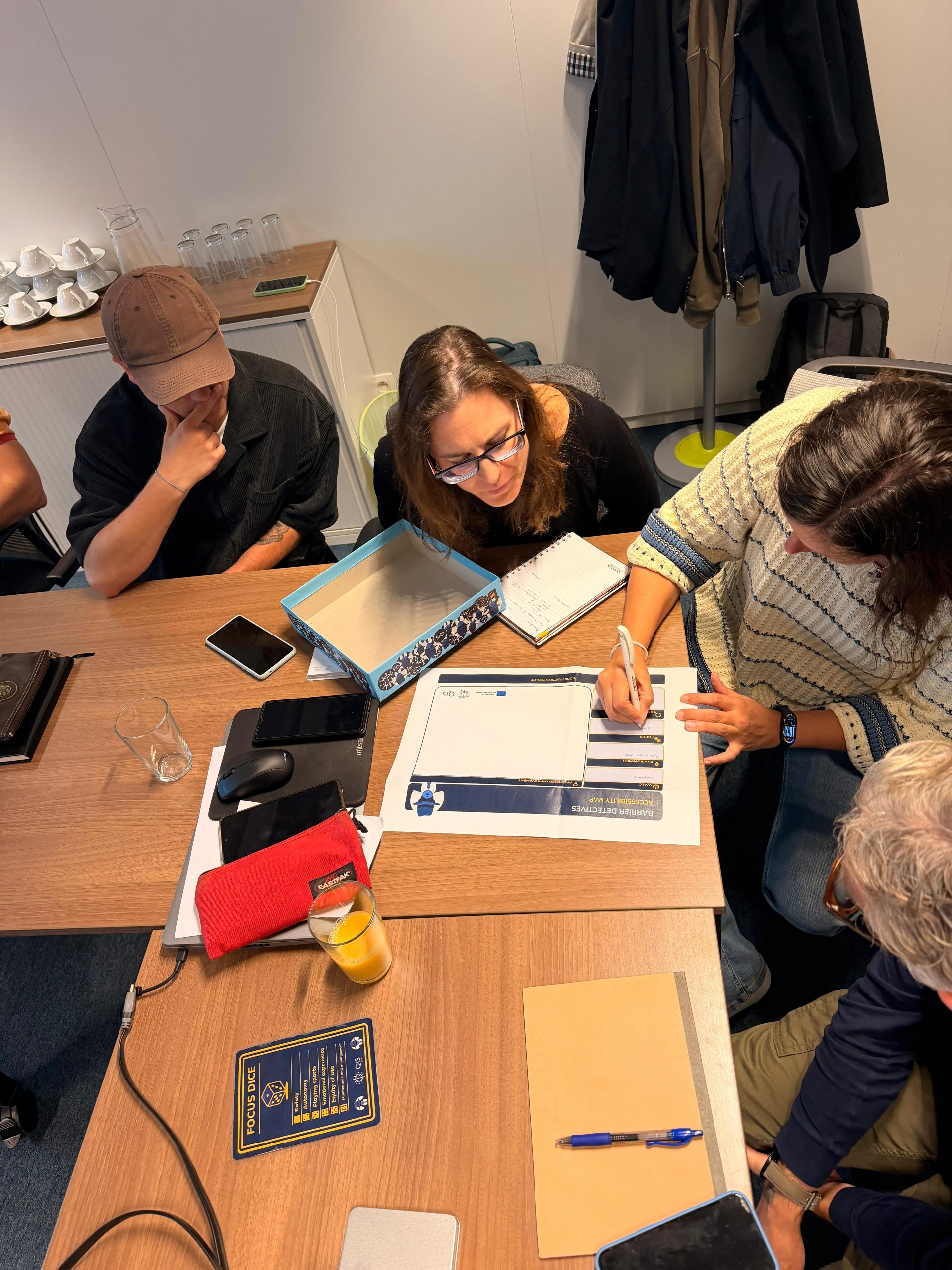
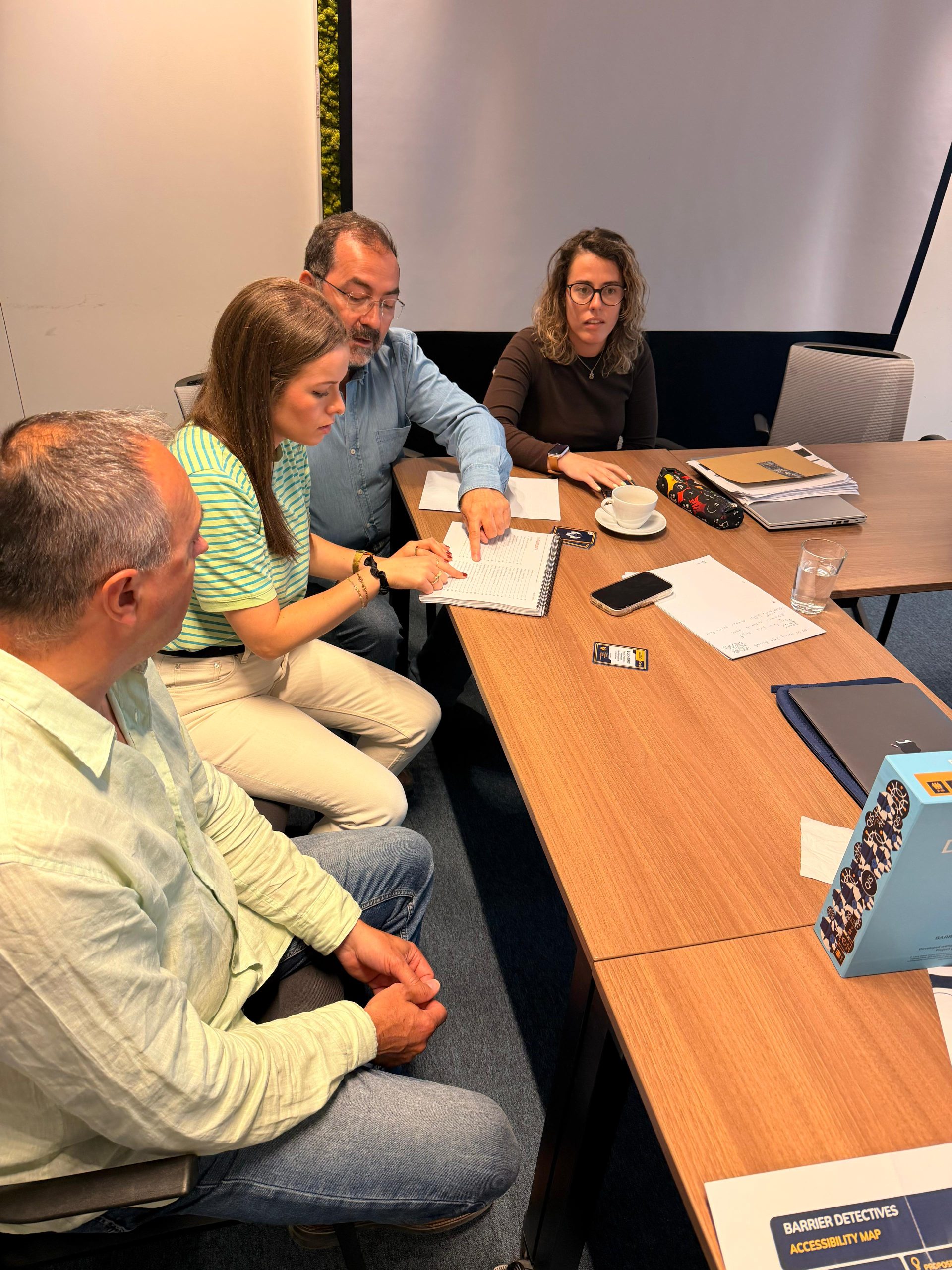
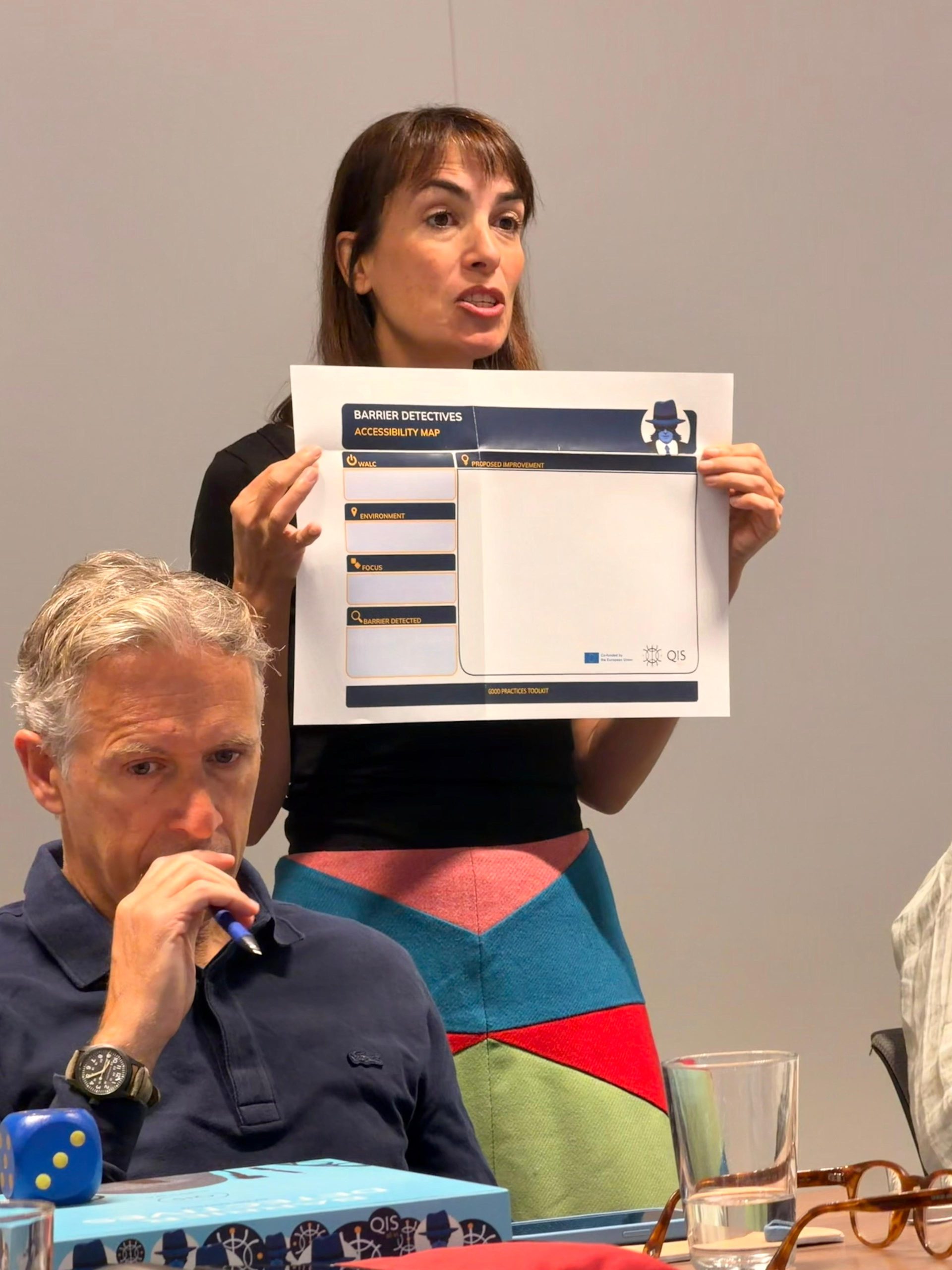
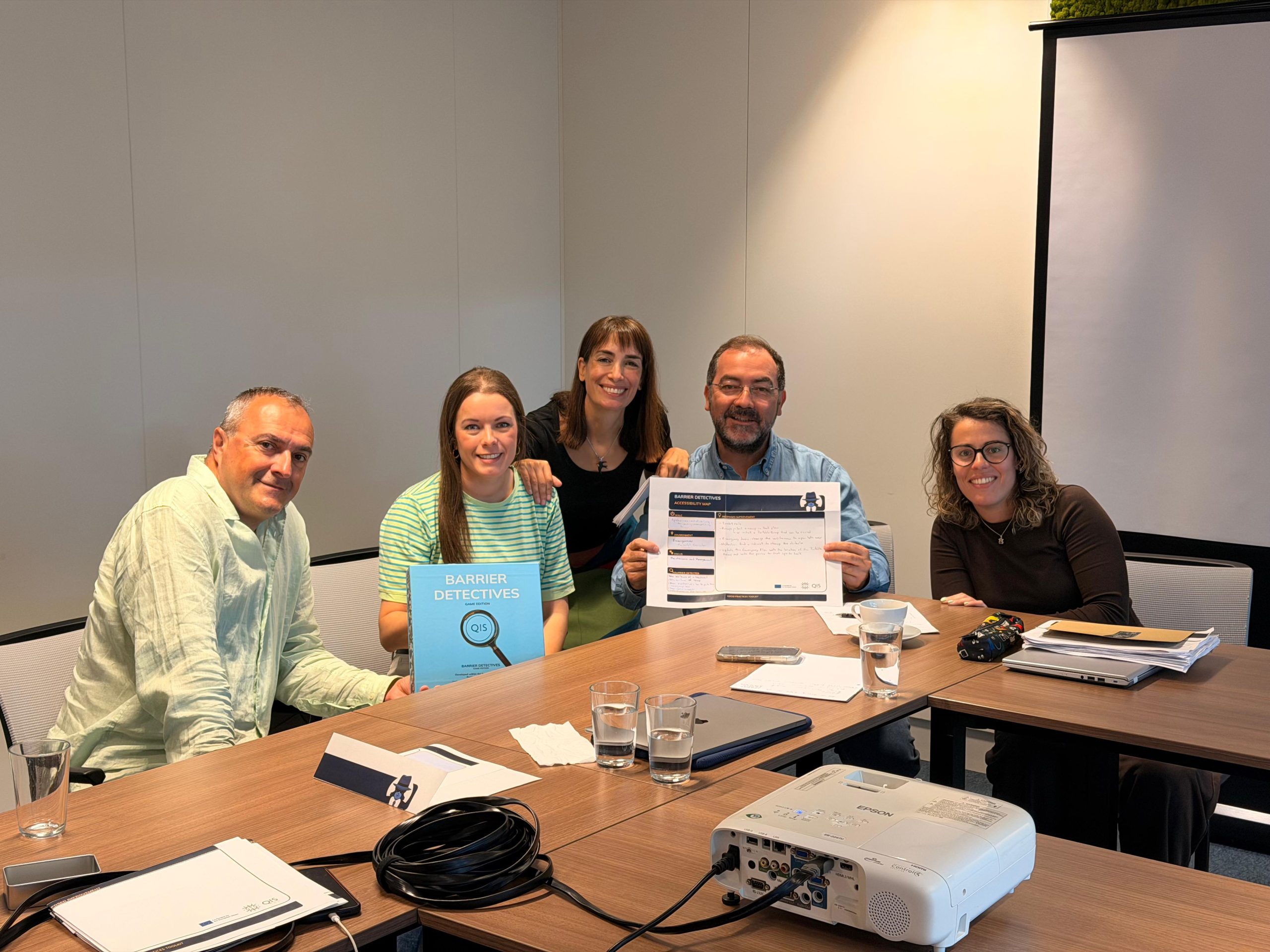
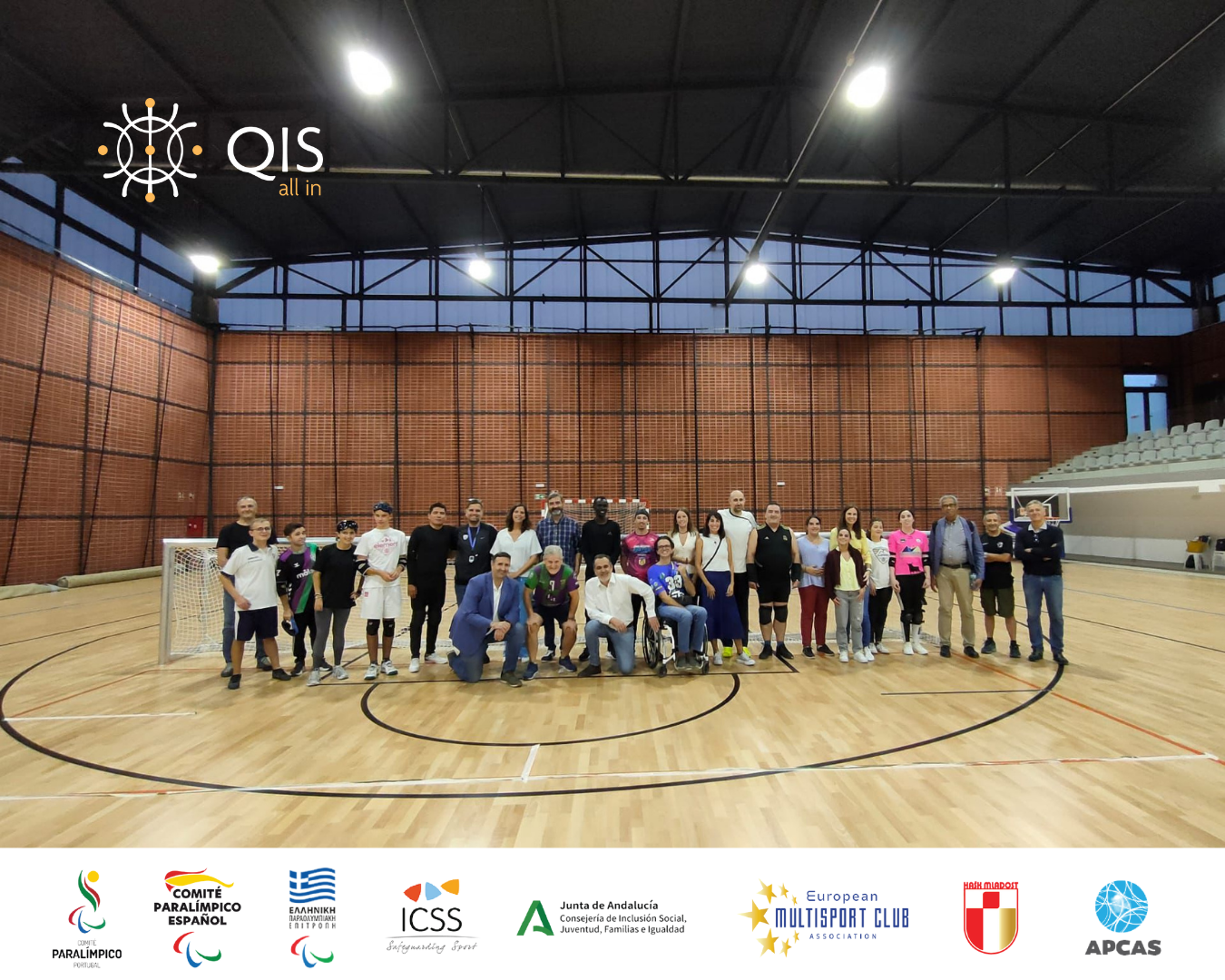
On 29 and 30 April 2026, partners of the QIS – All In (Quality Indicators for Sport Accessibility and Inclusion)project gathered in Brussels, Belgium, for the third Transnational Project Meeting (TPM). Hosted by the European Multisport Club Association (EMCA), the meeting brought together representatives from across the consortium to review progress, strengthen collaboration and take important steps towards the development of a European certification framework for accessible sports facilities.
As with previous project meetings, the two-day programme combined strategic discussions, working sessions and decision-making activities, ensuring that partners remained aligned as the project moves into its next phase.
Strengthening the foundations of the project
The meeting began with updates on project management and coordination activities led by the Portuguese Paralympic Committee (NPC Portugal), the project coordinator. Partners reviewed the overall project timeline, task-tracking mechanisms and upcoming milestones to ensure the smooth implementation of activities across all work packages.
An important topic was the presentation and approval of the project’s Conflict Resolution Plan, developed following recommendations from the project’s mid-term external evaluation. While no conflicts have arisen within the consortium, partners agreed that having clear procedures in place reflects the project’s commitment to transparency, good governance and effective collaboration. The plan was unanimously approved and formally signed during the meeting.
In parallel, partners also agreed to review and update the project’s Risk Management Plan, ensuring that QIS – All In remains well prepared for future implementation challenges.
The Handbook takes shape
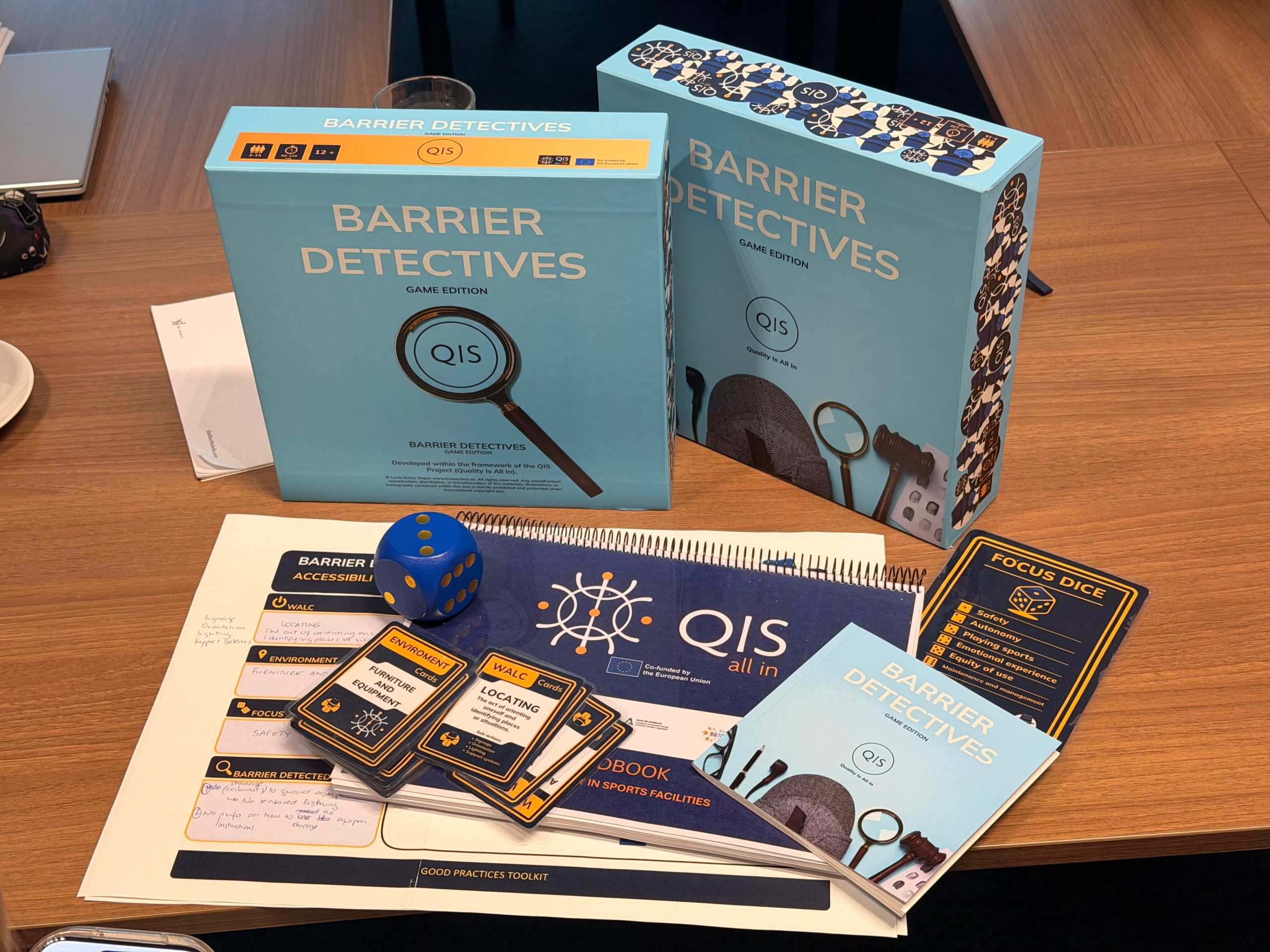
One of the highlights of the meeting was the presentation of the first version of the QIS – All In Handbook, led by the Spanish Paralympic Committee (NPC Spain) within Work Package 2.
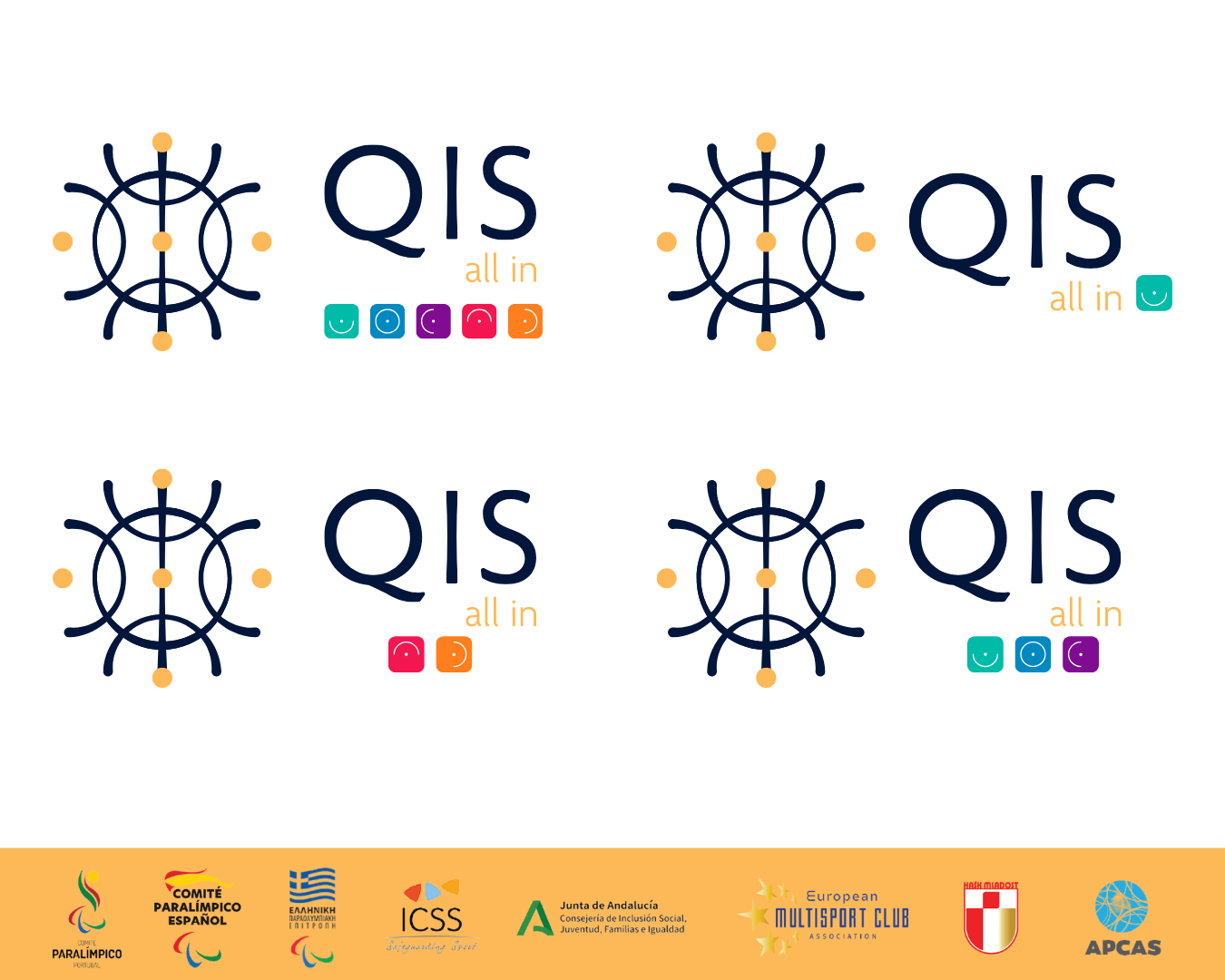
The handbook represents a key milestone for the project, bringing together research findings, existing accessibility frameworks and practical guidance that will support the future certification process. During the meeting, partners also reviewed two graphic design proposals presented by HAŠK Mladost, helping shape the visual identity of this important project output.
The next phase of handbook development will focus on collecting and documenting best practices from across Europe, providing practical examples of accessible and inclusive sports environments.
Developing the certification framework
A significant portion of the meeting was dedicated to the development of the Inclusiveness Quality Certification process, one of the core outputs of the project.
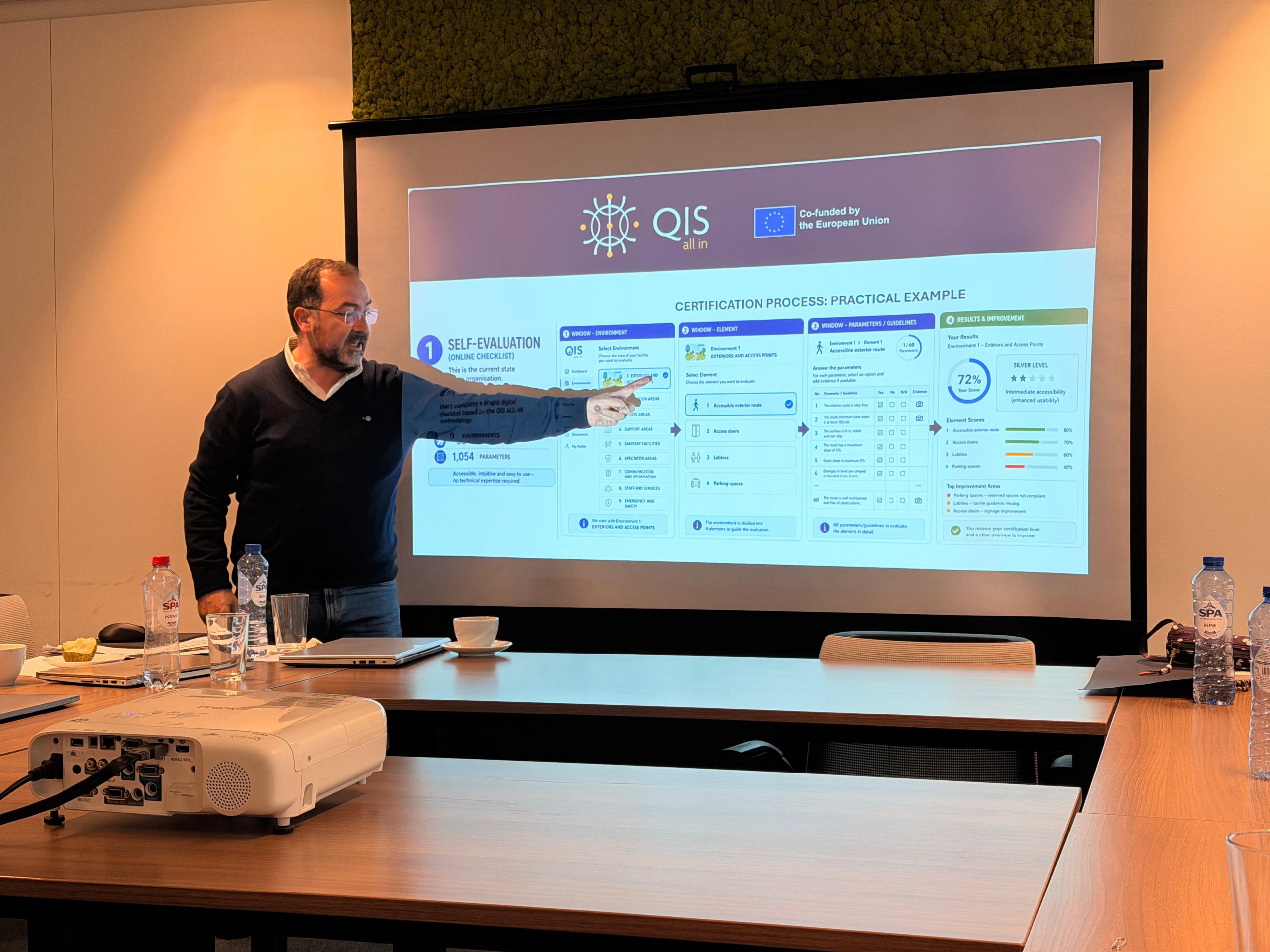
Partners from ICSS Europe and CISJUFI (Andalusian Regional Ministry of Social Inclusion, Youth, Families and Equality) presented the proposed structure of the certification system and the evaluation methodology that will support it.
The framework is built around a four-step process:
- Self-assessment
- Response and validation
- Results and evaluation
- Improvement pathway
The system is based on the accessibility dimensions identified in the handbook and aims to provide sports organisations with clear guidance on how to evaluate and improve their facilities.
Rather than focusing solely on compliance, the certification model is designed to encourage continuous improvement and help organisations understand accessibility as an ongoing process.
Preparing for pilot testing
The meeting also marked an important step towards the upcoming pilot phase.
The evaluation tool will continue to be developed throughout 2026, with pilot testing scheduled to begin in October 2026. To prepare for this phase, partners have started identifying sports facilities that will participate in the testing process and help validate the certification framework in real-world environments.
The pilot activities will play a crucial role in ensuring that the final tools are practical, user-friendly and applicable across different types of sports facilities.
Looking ahead
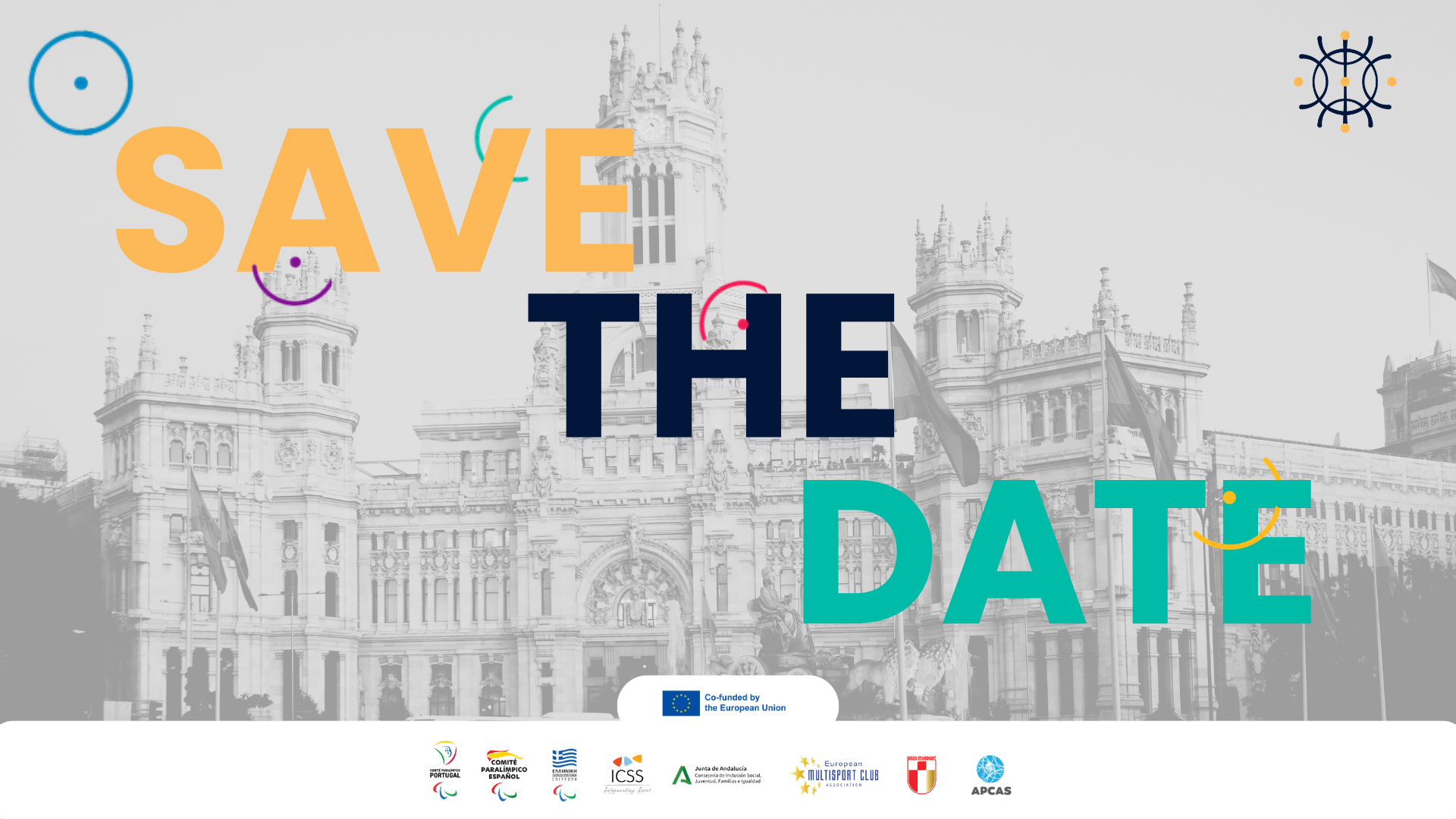
Partners also received an update from the Spanish Paralympic Committee regarding preparations for the project’s Final Conference, which is planned to take place on 3 June 2027 in Madrid, Spain.
Before then, consortium members will continue their work through regular online meetings, with the next online coordination meeting scheduled for 17 June 2026.
The next in-person gathering will take place in Dubrovnik, Croatia, on 16–17 October 2026, where partners will review the progress of the certification tool and prepare for the launch of the pilot testing phase.
As QIS – All In continues to progress, each meeting brings the consortium one step closer to its shared goal: making accessibility visible, measurable and achievable in sports facilities across Europe, so that sport can truly be open to all.